

PFAS in your Tap Water: What you need to know
Updated: Sep 18, 2025

WHAT ARE PFAS?
PFAS, or per- and polyfluoroalkyl substances, are a group of man-made chemicals that have been widely used in various industrial and consumer products since the 1940s. They are valued for their water and oil repellent properties, as well as their ability to resist heat, grease, and stains. PFAS can be found in everyday items such as non-stick cookware, stain-resistant fabrics, waterproof clothing, food packaging, and firefighting foams.
The concern with PFAS arises from their persistence in the environment and their potential to accumulate in the human body over time. These chemicals do not break down easily and can remain in the environment for a long time, leading to widespread contamination of water sources, soil, and wildlife. Human exposure to PFAS can occur through drinking contaminated water, consuming contaminated food, or using products containing PFAS.
Research has linked exposure to certain PFAS chemicals with various health effects, including developmental delays in infants and children, increased cholesterol levels, decreased immune response, and an increased risk of certain cancers. Due to these concerns, regulatory agencies such as the Environmental Protection Agency (EPA) have established guidelines and regulations to limit PFAS exposure and mitigate its impact on public health and the environment.
HOW CAN WE REMOVE PFAS FROM OUR WATER?
Activated carbon filtration is effective in removing certain contaminants from water, including PFAS (per- and polyfluoroalkyl substances). Here's how it works and how it relates to the EPA guidelines:
Activated Carbon Filtration Process: Activated carbon is a highly porous material with a large surface area that can adsorb contaminants from water. As water passes through the activated carbon filter, PFAS and other organic compounds are attracted to the surface of the carbon particles and become trapped within the filter.
Removal of PFAS: According to the EPA's "Water Filter Fact Sheet," activated carbon filtration is effective in removing PFAS from drinking water. The document may provide specific data or studies demonstrating the efficacy of activated carbon filtration in reducing PFAS levels to meet EPA guidelines.
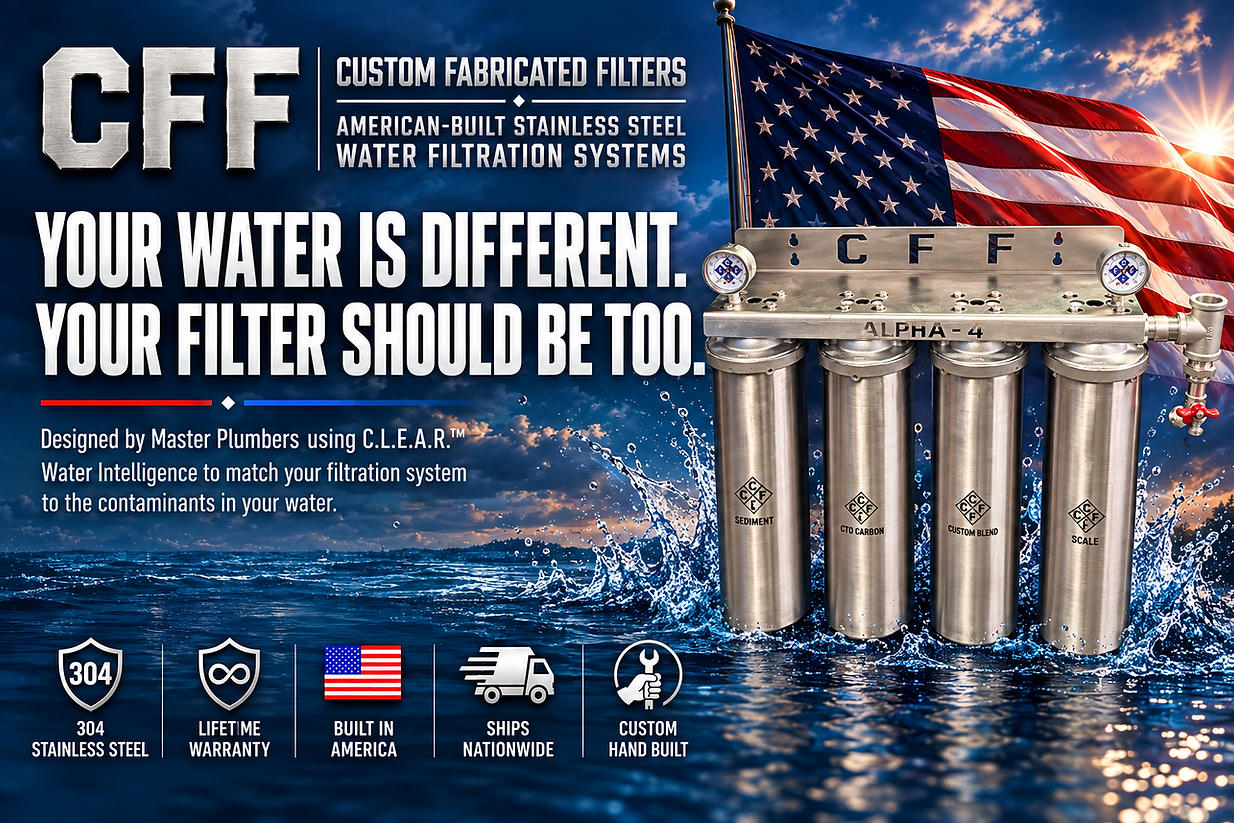
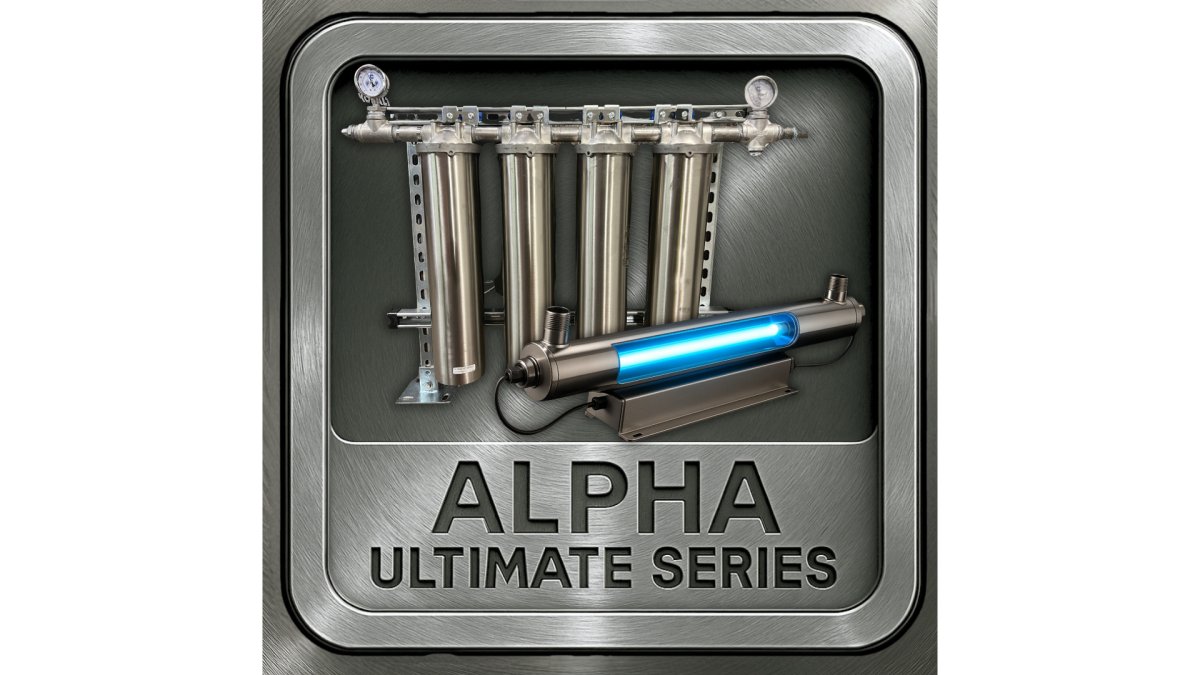
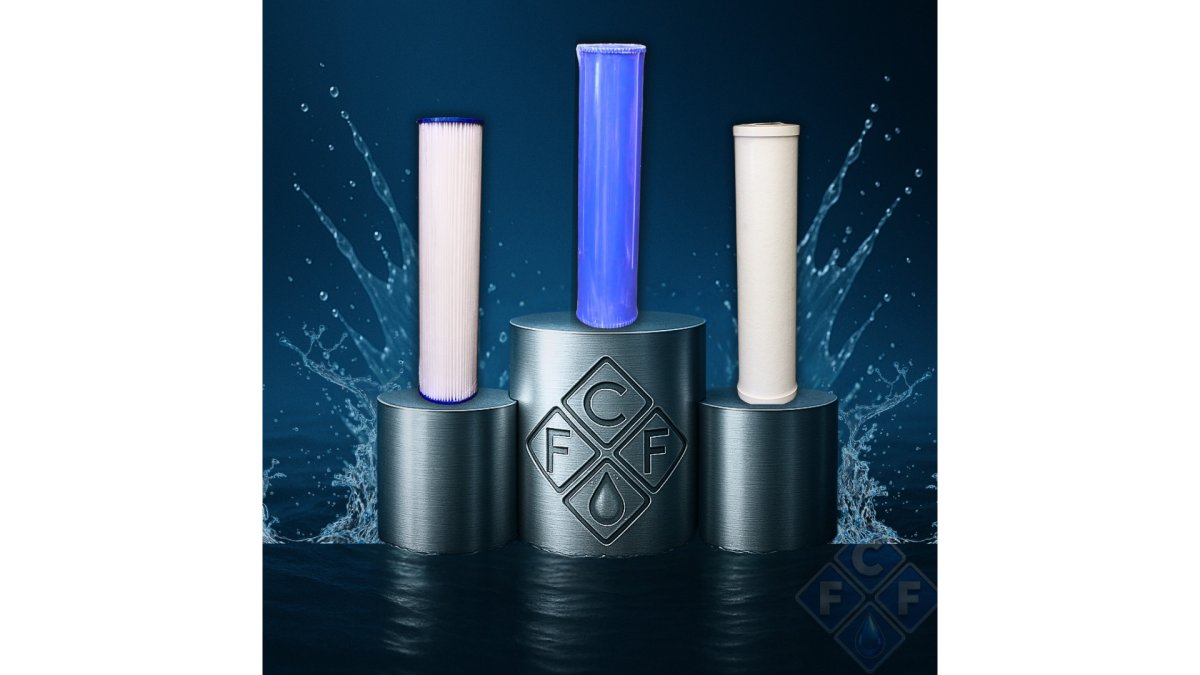
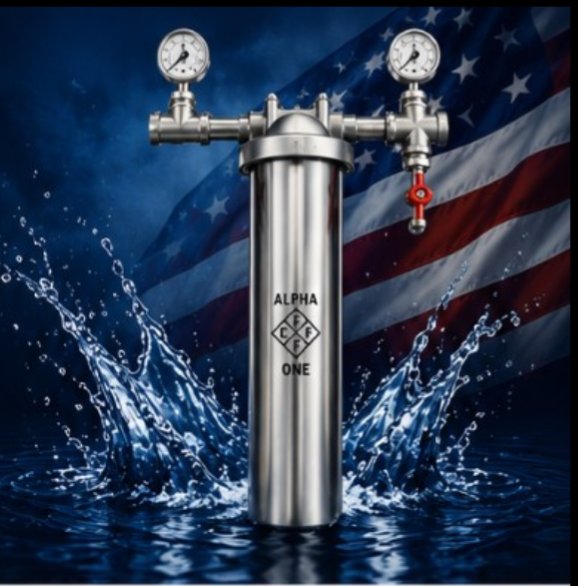
Custom Fabricated Filters: Custom Fabricated Filters offers specialized activated carbon water filtration systems tailored to different water treatment needs, including addressing PFAS contamination. These systems may incorporate advanced activated carbon formulations or specific filtration configurations optimized for PFAS removal.
Compliance with EPA Guidelines: By using an activated carbon water filtration system from Custom Fabricated Filters, individuals and communities can ensure that their drinking water meets or exceeds the new updated EPA guidelines for PFAS levels. The filtration system effectively reduces PFAS concentrations to levels deemed safe by the EPA, thereby ensuring compliance with regulatory standards and protecting public health.
In summary, an activated carbon water filtration system from Custom Fabricated Filters can effectively address the new EPA guidelines for PFAS in drinking water by utilizing the adsorption properties of activated carbon to remove PFAS contaminants and provide safe and clean drinking water.
Comments