

Best Filtration System for Well Water Arsenic
Table of Contents
Understanding Arsenic in Well Water and Health Concerns
How to Test Well Water for Arsenic Before Selecting a Filter
Arsenic Removal Methods: Adsorption Media and Filtration Technology
Whole-House Arsenic Water Filter Systems vs. Point-of-Use Options
NSF Certified Arsenic Water Filter Standards and Performance Claims
Arsenic Removal from Well Water: System Selection and Implementation
Comparing Custom-Built Stainless Steel Filtration Systems
Conclusion
Frequently Asked Questions
Last Updated: October 10, 2026
Understanding Arsenic in Well Water and Health Concerns
Arsenic in drinking water is a serious concern for homeowners relying on well water systems. This naturally occurring contaminant leaches into groundwater supplies where it can accumulate to unsafe levels. Custom Fabricated Filters LLC helps homeowners identify and eliminate arsenic before it reaches your tap.
Inorganic arsenic exists in two primary forms: arsenic III and arsenic V. The form present in your water determines which filtration approach works best, as arsenic III requires different treatment than arsenic V.
Long-term arsenic exposure increases cancer risk, cardiovascular problems, and developmental issues. The EPA's maximum contaminant level is 10 ppb. Well-water testing is the only way to know whether your supply exceeds safe limits.
Pro Tip Well water arsenic levels vary dramatically by geography and depth. Two wells in the same neighborhood can have vastly different arsenic concentrations. Testing your specific water is the only reliable way to determine what you're dealing with.
How to Test Well Water for Arsenic Before Selecting a Filter
Test your well water before investing in a filtration system. Send a sample to a certified lab and request analysis for both arsenic III and arsenic V, knowing which form dominates your water determines system selection.
Results come back in parts per billion (ppb). If your test shows levels above 10 ppb, filtration is essential. Results below 10 ppb still warrant treatment if you want an extra safety margin.
Request a full water chemistry panel alongside arsenic testing. Lead, chromium, cadmium, antimony, iron, and hydrogen sulfide often travel with arsenic and affect which filtration media works best.
Key Takeaway Test results should specify arsenic form (III or V), concentration in ppb, and any other detected contaminants. This data sheet becomes your blueprint for selecting the right filtration system.
Arsenic Removal Methods: Adsorption Media and Filtration Technology
Arsenic removal relies on adsorption media that captures and binds arsenic molecules as water passes through, trapping arsenic particles so clean water flows to your home.
Arsenic V responds well to standard adsorptive cartridges, while arsenic III often requires pretreatment or specialized media. Multi-stage systems handle both forms simultaneously.
The best filtration system for well water arsenic balances removal performance with usable flow rate. Faster flow reduces contact time and removal efficiency; slower flow improves capture but may restrict pressure.
Regular cartridge replacement maintains removal efficiency and prevents breakthrough, where arsenic begins appearing in treated water again. Track installation dates and monitor water quality to replace media before saturation.
Whole-House Arsenic Water Filter Systems vs. Point-of-Use Options
Whole-house systems treat all water entering your home, protecting every tap and appliance. Point-of-use filters target specific locations like kitchen sinks, treating only drinking and cooking water.
Whole-house systems make sense for moderate to high arsenic contamination, protecting appliances and extending equipment life. They require professional installation and dedicated space near your main water line.
Point-of-use filters cost less and occupy minimal space, working well for light contamination. The trade-off is that shower water and laundry remain untreated.
For significant arsenic contamination, whole-house treatment offers peace of mind and eliminates managing multiple filter replacements. Custom Built Water Filtration Systems engineered from surgical-grade stainless steel provide permanent infrastructure for decades.
NSF Certified Arsenic Water Filter Standards and Performance Claims
NSF/ANSI certification is the gold standard for validating arsenic removal claims. Understanding what certification proves is essential to making an informed choice.
What NSF Standard 58 Tests and Certifies
NSF Standard 58 covers arsenic reduction in point-of-use and whole-house systems through independent laboratory testing of specific product models under controlled conditions.
Certified systems must demonstrate at least 85% removal under test conditions. Most claim 85% to 99% reduction, representing laboratory performance, not field performance.
Certification Scope: What It Covers and What It Does Not
Certification applies to a specific product model. Always verify that the exact model you purchase is listed on the NSF Product Listing database.
NSF tests systems using synthetic water at specific pH, temperature, and flow rate. Real well water is more complex, with iron, manganese, pH variations, and other contaminants that may affect media performance differently.
Certification specifies which arsenic form the system was tested against. A system certified for arsenic V may not perform equally on arsenic III.
How to Verify NSF Certification
Do not rely on manufacturer claims alone. Visit the NSF Product Listing database at NSF Product Listing and search for your specific system model.
If a product is not listed in the NSF database, it is not NSF certified. Language like "NSF-tested" or "meets NSF standards" without certification are marketing claims, not proof of validation.
Request the NSF certification document from your system provider before purchase. If they cannot provide it, that is a red flag.
Performance Claims and Real-World Variability
A system certified for 95% arsenic reduction may achieve only 70-80% reduction after 12 months as cartridges saturate. Certification validates initial performance, not lifetime performance. Post-installation testing and regular cartridge replacement are essential.
Real-world performance depends on water chemistry interactions, flow rate variations, cartridge maintenance timing, and pretreatment adequacy, factors lab tests cannot fully replicate.
Distinguishing Certified Claims from Marketing Language
Only NSF-certified systems have independent verification of arsenic removal claims. Unverified claims are marketing language, not proof.
Red flags include vague claims without percentages, "meets EPA standards" without NSF certification, testimonials instead of lab data, and unspecified arsenic form claims.
Using Certification to Guide System Selection
Use NSF certification as a baseline filter, then evaluate water chemistry compatibility, flow rate, cartridge life, installation requirements, and post-installation testing.
Custom Fabricated Filters LLC systems use NSF-certified cartridge media with custom system design matched to your specific water chemistry.
Arsenic Removal from Well Water: System Selection and Implementation
Selecting the best filtration system for well water arsenic requires a systematic approach grounded in your test results, water chemistry, and household needs.
Step 1: Determine Your Arsenic Form and Concentration
Your water test should specify whether you have arsenic III, arsenic V, or both. Arsenic V is readily captured by standard adsorptive media, while arsenic III often requires specialized cartridges or pretreatment.
Concentration in ppb guides system scope: Below 10 ppb, point-of-use systems may suffice. 10-30 ppb warrants whole-house treatment. 30-50 ppb strongly recommends whole-house treatment. Above 50 ppb requires whole-house treatment.
Step 2: Assess Your Water Chemistry for Media Compatibility
Arsenic rarely travels alone. Your full water chemistry panel should include iron, manganese, hydrogen sulfide, pH, hardness, phosphate, and silica, as these affect media performance and cartridge life.
Iron and manganese above 0.3 mg/L and 0.05 mg/L respectively require a dedicated sediment stage before arsenic media. pH outside 6.5-8.5 may require pretreatment.
Share your lab's full report with your system provider to prevent underperformance or premature cartridge replacement.
Step 3: Match System Type to Household Size and Water Demand
Whole-house systems are rated by flow rate (GPM) and cartridge capacity. Undersizing creates frequent cartridge changes and reduced removal efficiency.
Estimate peak water demand by considering simultaneous uses. A family of four with two bathrooms might use 6 GPM simultaneously. Your system should handle peak demand without pressure loss.
Cartridge capacity depends on contaminant load. Your system provider can estimate cartridge life based on your water chemistry and usage.
For moderate arsenic (10-30 ppb) and typical family size, the ALPHA-3 balances flow rate, removal performance, and cartridge longevity.
Step 4: Plan Installation Location and Plumbing Integration
Install whole-house systems after your main water line enters the home but before water branches. Position in an accessible location where cartridge replacement is straightforward.
Professional installation by a master plumber ensures proper connections, pressure handling, and code compliance. Surgical Grade Stainless Steel Water Filtration Systems from Custom Fabricated Filters LLC feature full-port plumbing connections that maintain water pressure.
Step 5: Establish a Post-Installation Testing and Monitoring Schedule
Schedule a water test 30 days after installation to confirm arsenic removal is occurring. Your treated-water result should show arsenic below 10 ppb.
If your 30-day test shows arsenic above target, contact your system provider immediately. Early detection prevents months of ineffective treatment.
Test your treated water annually to confirm ongoing performance and detect cartridge saturation before breakthrough occurs.
Keep detailed records of cartridge installation dates and water test results to identify patterns and plan replacements proactively.
Comparing Custom-Built Stainless Steel Filtration Systems
Custom Fabricated Filters LLC builds whole-house filtration systems from 100% surgical-grade stainless steel, engineered as permanent infrastructure designed to last decades with upgradeable cartridge stages.
The ALPHA-3 system provides three-stage filtration for well water. The first stage removes sediment, dirt, sand, rust, silt, and clay. Subsequent stages use custom radial flow blends calibrated through our C.L.E.A.R. Water Intelligence System to target iron reduction and other contaminants.
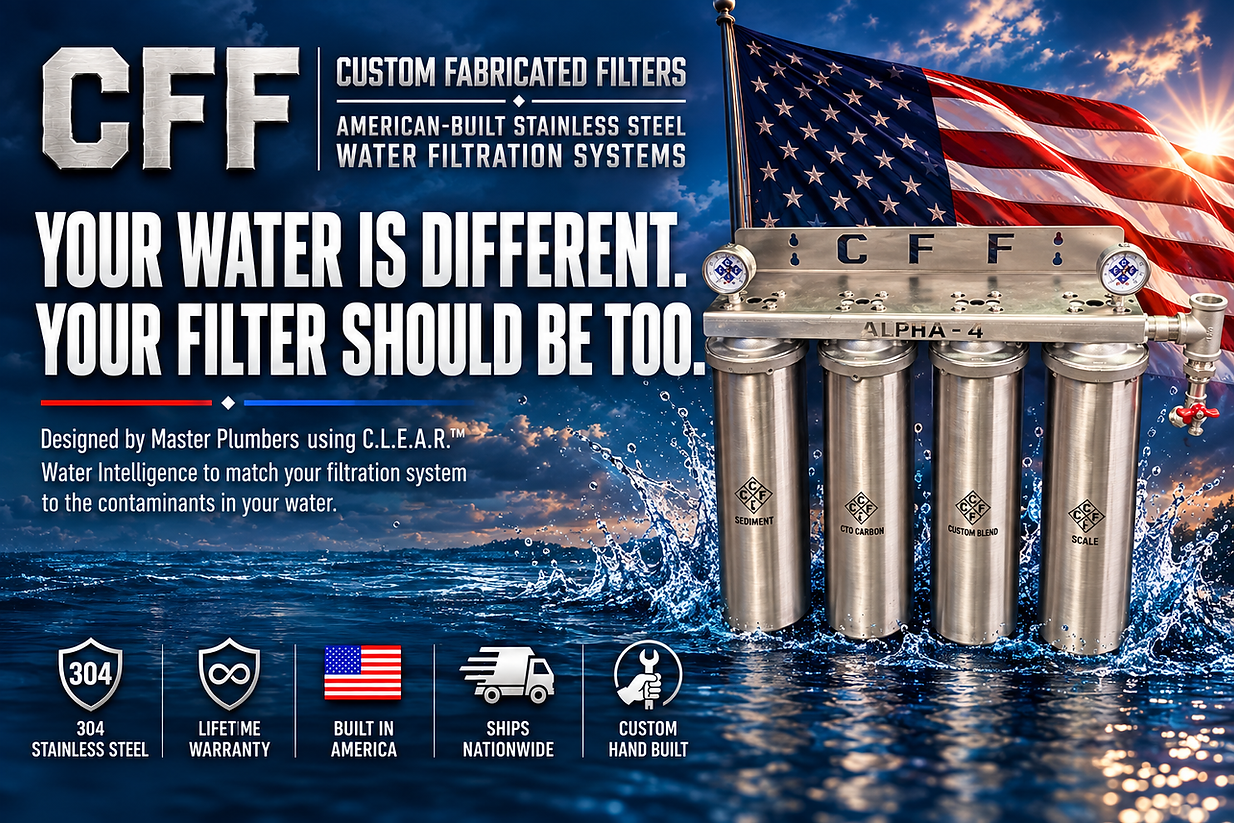
The ALPHA-4 system adds a fourth stage with scale reduction, addressing limescale buildup common in hard well water while removing arsenic.
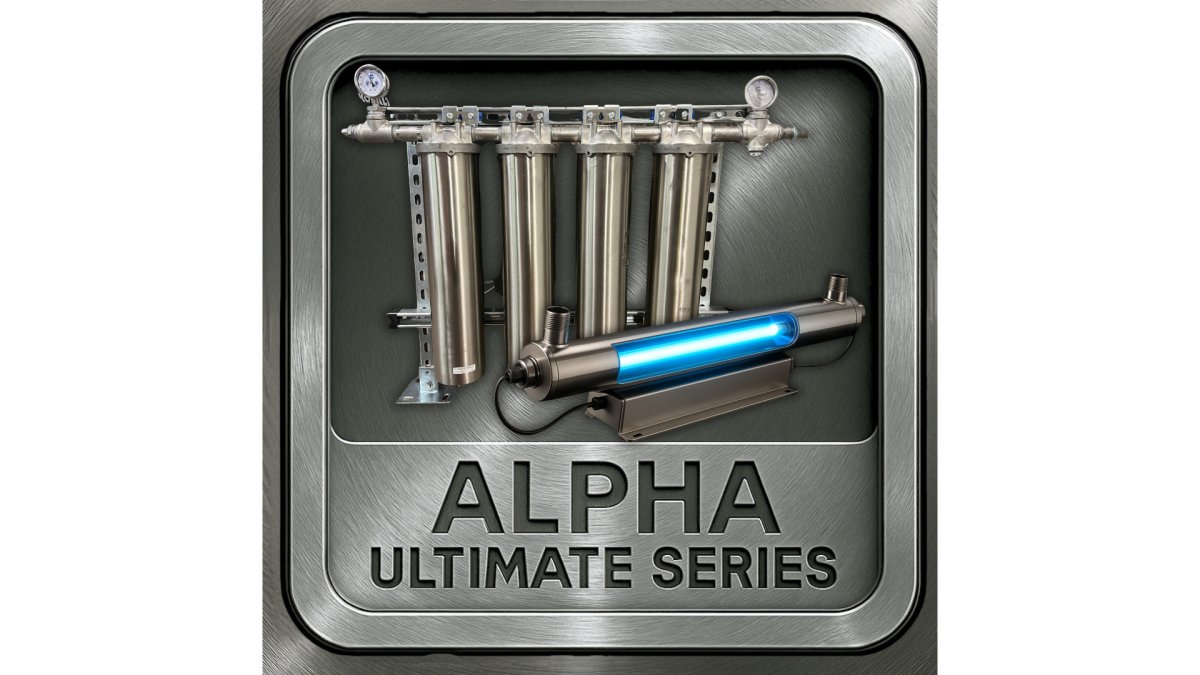
The Alpha Ultimate system pairs four filtration stages with an all-stainless steel UV light system for removing microscopic bacteria and pathogens from your water, providing comprehensive well-water treatment.
All our systems feature full-port plumbing design that maintains strong water pressure. Master plumbers build each system to your exact specifications.
Stainless steel construction resists cracking, pressure fatigue, and contamination that degrades plastic systems. You replace cartridges as needed while the system serves as permanent infrastructure.
System | Best For | Key Features | Cartridge Focus |
ALPHA-3 | Basic arsenic and sediment removal | Three-stage, iron reduction focus | Sediment + custom radial flow |
ALPHA-4 | Arsenic removal with scale prevention | Four-stage, includes scale reduction | Sediment + iron + mineral treatment |
Alpha Ultimate | Comprehensive well-water treatment | Four stages + UV light system | Complete contaminant + biological threat removal |
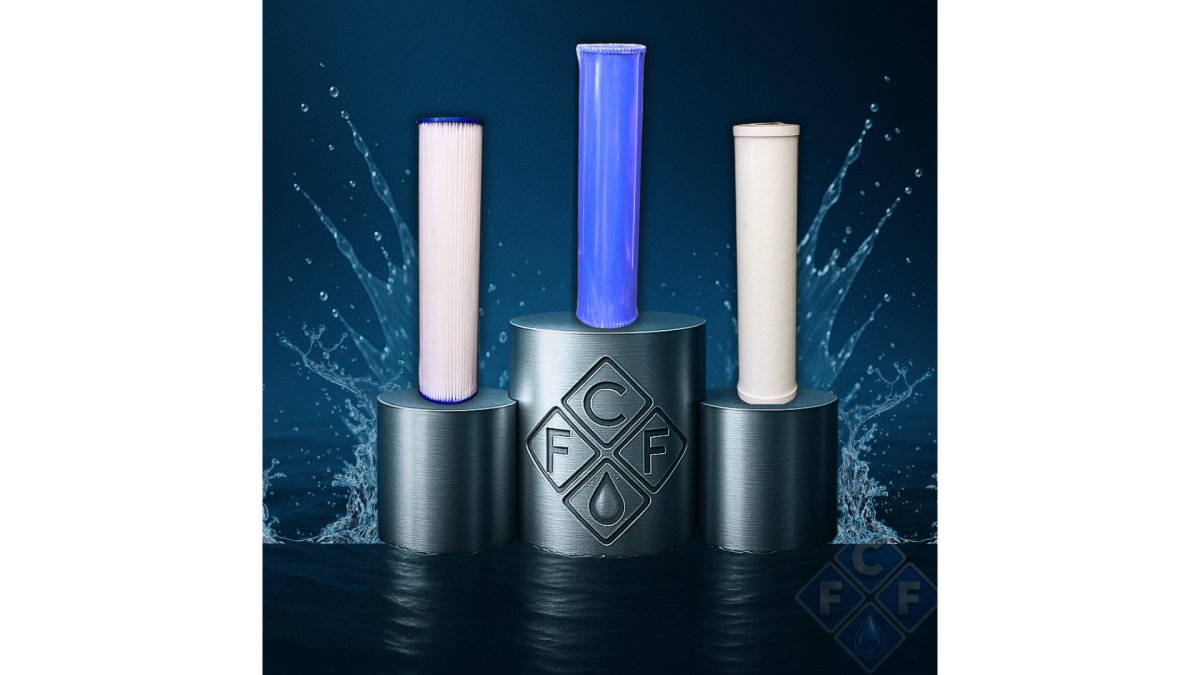
Our cartridge sets are custom-calibrated by the C.L.E.A.R. Water Intelligence System, which analyzes your specific water test results and recommends the exact media blend needed for optimal performance. The ALPHA-3 Well Water Cartridge Set and ALPHA-4 Well Water Cartridge Set each come with hand-picked cartridges matched to well-water challenges. This precision approach means you're not buying a generic system, you're getting treatment specifically engineered for your water.
Maintenance involves periodic cartridge replacement based on your water usage and contaminant load.
Conclusion
Arsenic in well water demands a thoughtful, test-driven approach to filtration. Understanding your arsenic form, contamination level, and household water needs guides you toward the right solution. Custom Fabricated Filters LLC builds the best filtration system for well water arsenic through surgical-grade stainless steel construction, master plumber engineering, and C.L.E.A.R. Water Intelligence System calibration. Our whole-house systems remove arsenic while maintaining strong water pressure and lasting for decades without the degradation that affects plastic alternatives.
ANALYZE MY WATER FOR FREE, Contact Custom Fabricated Filters LLC today to discuss your well water test results and receive a custom system recommendation matched to your specific arsenic levels and water chemistry.
Frequently Asked Questions
How do I know if my well water contains arsenic?
The only way to confirm arsenic in your well water is through laboratory testing. Contact your local health department or use a certified laboratory to test for inorganic arsenic. Results are reported in parts per billion (ppb). Testing also reveals whether you have arsenic III or arsenic V, which affects which filtration media will work best for your situation. Many homeowners test when building new properties or after noticing discoloration or taste changes in their water.
What's the difference between arsenic III and arsenic V, and does it matter for filtration?
Arsenic III and arsenic V are inorganic forms of arsenic found in well water. Arsenic V is more readily removed by adsorptive media used in filtration systems. Arsenic III may require pretreatment or oxidation before filtration to improve removal efficiency. Your well water test results will identify which form is present, allowing you to select a filtration system calibrated for your specific water chemistry. This is why custom calibration through systems like the C.L.E.A.R. Water Intelligence System matters.
Can a whole-house arsenic water filter protect my entire home, or do I need point-of-use treatment?
A whole-house arsenic water filter treats all water entering your home, protecting every tap, shower, and appliance. This approach is ideal for well water with confirmed arsenic contamination because it eliminates exposure throughout your household. Point-of-use filters treat only water at a single tap. For arsenic removal from well water, whole-house systems provide comprehensive protection and are often more practical than managing multiple under-sink or pitcher-based filters.
How do I verify that my arsenic filtration system is actually working after installation?
After installation, request a follow-up water test from a certified laboratory to confirm arsenic levels have dropped. Compare results to your pre-installation test. Regular testing every 1-2 years ensures your system continues performing as designed, especially if water chemistry changes or after filter cartridge replacements.
ALPHA-3 Well Water Cartridge set
Comments