

Is Expensive Water Filtration Worth It? A 2026 Guide
Table of Contents
When Water Filtration Actually Pays for Itself
Understanding Whole-House Water Filter Cost and Installation
Calculating Long-Term Savings: Filtration vs. Bottled Water
Water Filtration System Maintenance: What to Expect
Water Filter Replacement Frequency and Ongoing Costs
Point-of-Use vs. Whole-House Filtration: Which Justifies the Investment
Testing Your Water Before You Invest
Frequently Asked Questions
Last Updated: October 17, 2026
When Water Filtration Actually Pays for Itself
Is expensive water filtration worth it? The answer depends entirely on what's in your water and how much you're currently spending to get clean drinking water. At Custom Fabricated Filters LLC, we've worked with homeowners across different water conditions to determine when a filtration investment makes genuine financial sense versus when it's unnecessary.
The real question isn't whether filtration works, it's whether the long-term value justifies the upfront cost for your specific situation. A few discover that their municipal water is already clean enough that filtration adds minimal benefit.
Before you commit to any system, understanding the total cost of ownership matters more than the sticker price alone. Installation, maintenance, filter replacement, and how long the system lasts all factor into whether you're actually saving money over time.
Pro Tip Test your water first. Most people decide based on taste or general concern. Testing reveals exactly what you're dealing with, and whether filtration addresses it. This single step prevents buying a system you don't need or choosing one that won't solve your actual problem.
Understanding Whole-House Water Filter Cost and Installation
A whole-house water filtration system filters all water entering your home, not just drinking water. This means every shower, toilet, and appliance gets filtered water. The tradeoff is a higher upfront investment compared to point-of-use filters.
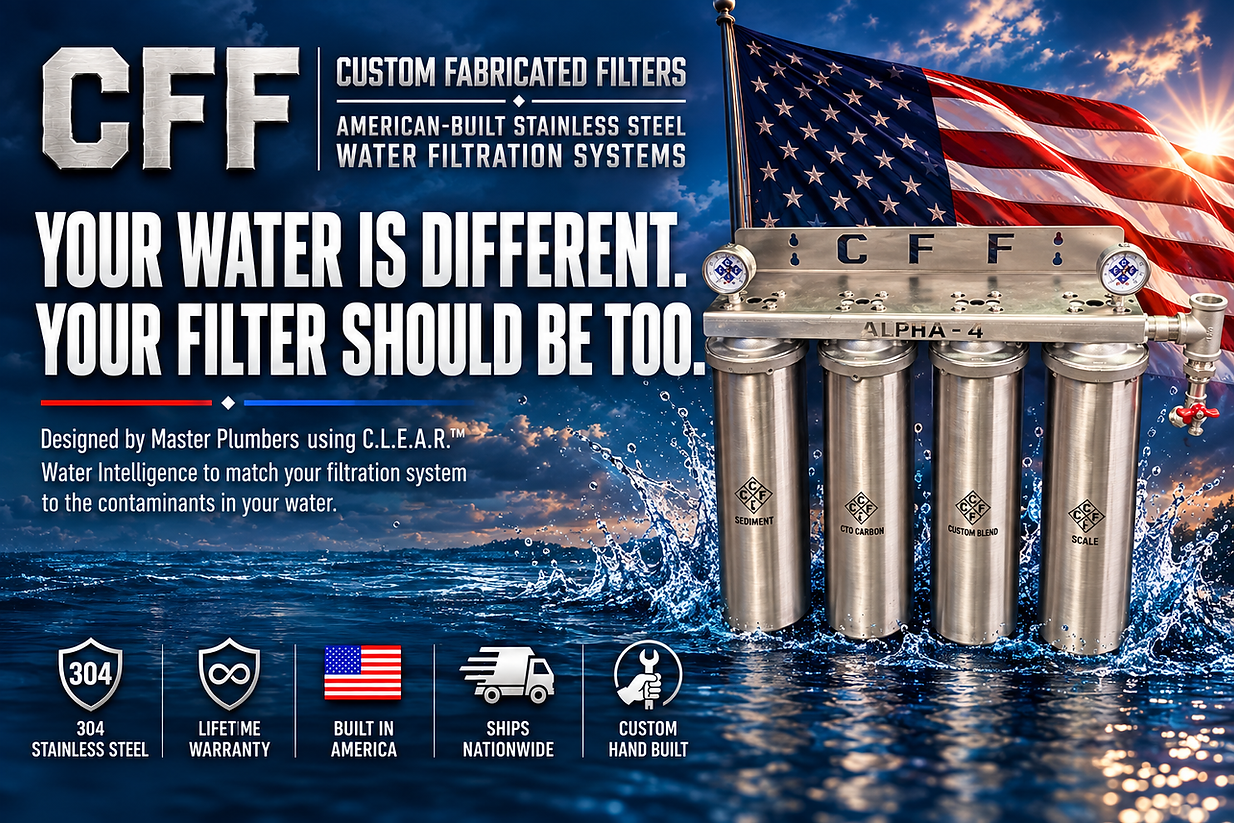
Installation involves connecting the system to your main water line, typically where water enters the house. A professional plumber handles this work to ensure proper sizing, pressure handling, and integration with your existing plumbing. Custom Built Water Filtration Systems engineered with surgical-grade stainless steel construction resist cracking and contamination that can plague plastic alternatives.
The installation process usually takes a few hours. Your plumber will assess your water pressure, flow rate, and space constraints to position the system correctly.
The advantage of whole-house filtration is comprehensive coverage. Your dishwasher, washing machine, and ice maker all benefit from filtered water. This matters more if you have well water or municipal water with noticeable odor or sediment issues. For homes with excellent municipal water, point-of-use filters may deliver better value.
Watch Out Improper installation can reduce system performance and create pressure problems. Always use a qualified plumber who understands filtration systems, not just general plumbing. Pressure gauges and proper valve positioning are critical to long-term reliability.
Calculating Long-Term Savings: Filtration vs. Bottled Water
Comparing filtration to bottled water reveals where most households find genuine savings, but the comparison only becomes useful when you break it into specific cost lines. Many people buying bottled water spend far more annually than they realize, yet the filtration side also has multiple cost components that are easy to overlook.
Start by tracking your actual bottled-water spending for one month. Include cases from warehouse stores, delivery services, and single bottles from convenience stores. Multiply by 12 to get your annual baseline. A household buying two cases of bottled water per week is already spending several hundred dollars per year before delivery fees or impulse purchases.
Now build the filtration side using the same discipline. Total cost of ownership has five parts:
Purchase price of the system itself
Installation by a qualified plumber
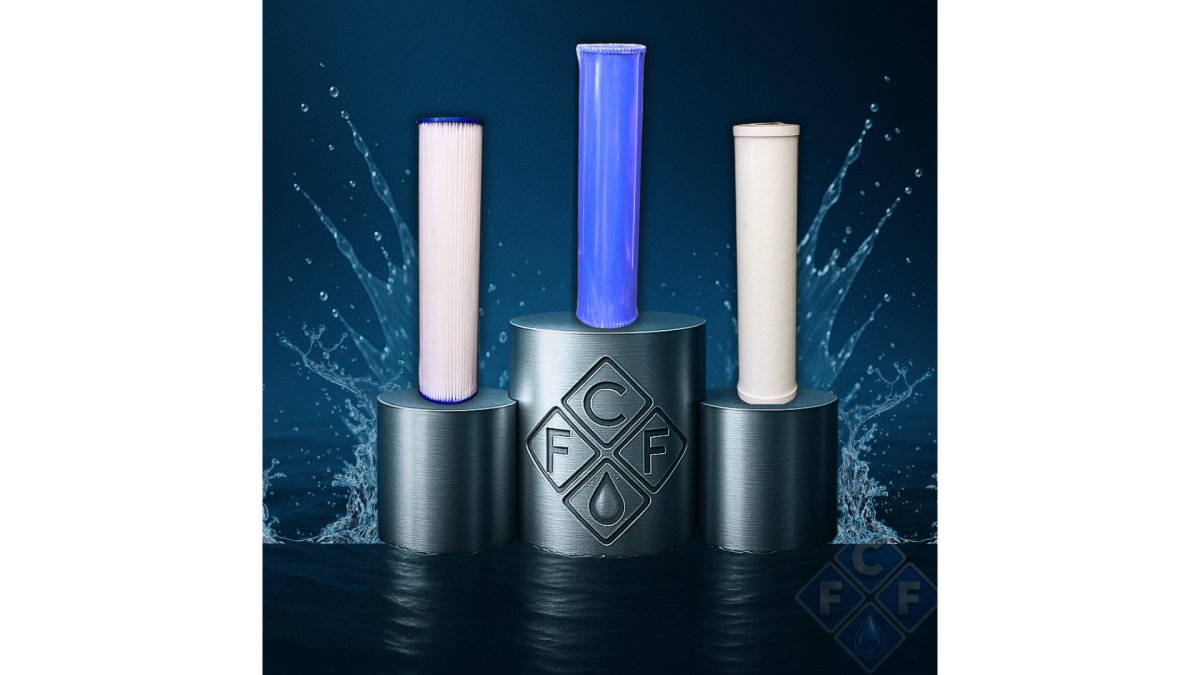
Replacement cartridges over the system's life
Maintenance and inspection (if applicable)
Any water or electricity use specific to the system
Divide the sum by the number of years you expect to own the system to get a true annual cost. Compare that annual figure to your bottled-water baseline.
A common pattern is that whole-house systems have a higher upfront cost but a lower cost per gallon over time because they replace cartridges less often relative to the volume treated. Point-of-use systems cost less upfront but may need more frequent cartridge changes.
Pro Tip Build a simple spreadsheet with two columns, bottled water and filtration, and list every cost line for a five-year horizon. Include the cost of hauling, storing, and recycling bottles as a time cost if that matters to your household. The side-by-side total is the only number that answers whether expensive filtration is worth it for you.
For well-water users dealing with iron, sediment, or other contaminants, bottled water becomes impractical anyway. You would need bottled water for cooking, cleaning, and laundry, making a home filtration system the only realistic option. In these situations, the question is not whether filtration pays for itself; it is whether you can afford not to have it.
The calculation also shifts when you factor in filter replacement costs. Cartridges need periodic replacement to maintain effectiveness. This ongoing expense is significantly lower than bottled-water spending for most households, but it is not zero.
Key Takeaway Expensive filtration is worth it when your five-year total cost of ownership is lower than your five-year bottled-water spending, or when your water quality makes bottled water impractical. Run the numbers before you buy, not after.
Water Filtration System Maintenance: What to Expect
Maintenance requirements vary by system type and your water conditions. A whole-house system needs less frequent attention than point-of-use filters because it handles larger volumes before cartridge saturation.
Common maintenance tasks include monitoring pressure gauges, checking for leaks, and scheduling cartridge replacements. Some systems include purge valves that let you flush sediment buildup, extending cartridge life. This takes minutes and requires no special tools.
Professional maintenance visits aren't always necessary. Many homeowners manage basic upkeep themselves. However, if your system includes UV light components or multiple filtration stages, having a technician inspect it annually catches potential issues early. Surgical Grade Stainless Steel Water Filtration Systems are designed for straightforward maintenance, with clear indicators showing when service is needed.
The stainless steel construction of quality filtration systems resists the corrosion and cracking that plague plastic alternatives. This durability directly reduces long-term maintenance costs. A system that lasts 15 years with minimal repairs outperforms one requiring replacement or major service after 5 years.
Keep documentation of all maintenance and replacements. This record proves the system's reliability if you're considering selling your home, and it helps you track whether you're hitting your projected savings targets.
Water Filter Replacement Frequency and Ongoing Costs
Filter cartridge replacement frequency depends on water quality and household water usage. Municipal water typically requires less frequent replacement than well water with sediment or iron content. A household using 100 gallons daily will saturate cartridges faster than one using 50 gallons.
Most whole-house systems need cartridge replacement annually or every 12-18 months under normal conditions. Well-water systems or homes with high sediment may need replacement more frequently. Your water testing results guide the replacement schedule.
The custom calibration means you're not replacing unnecessary filtration stages, just the ones addressing your actual water issues. This targeted approach keeps ongoing costs reasonable.
Key Takeaway The total cost of ownership includes the system, installation, cartridge replacements, and occasional maintenance. Divide this total by the years you'll own the system to find your true annual cost. Compare this to what you're currently spending on bottled water, pitcher filters, or other solutions.
Point-of-Use vs. Whole-House Filtration: Which Justifies the Investment
Point-of-use filters attach to specific taps or sit as pitchers on counters. They're cheaper upfront but require more frequent replacement because they handle smaller volumes. Whole-house systems cost more initially but filter all water entering your home.
For drinking water only, a point-of-use system might deliver better value. You're not paying to filter water for showers or toilets. However, if your water has odor, sediment, or affects appliance performance, whole-house filtration prevents problems throughout your home.
Well-water users almost always benefit from whole-house systems. Sediment, iron, and other contaminants affect laundry, dishwashing, and plumbing longevity. A point-of-use filter can't address these issues comprehensively.
Municipal water users with good water quality might find point-of-use adequate for taste or chlorine reduction. If your water tests clean, you're paying for convenience, not contamination removal. That's a valid choice, just understand what you're buying.
The decision framework considers three factors: your water quality (determined by testing), your household size and water usage, and your priorities. Do you want filtered water everywhere, or just for drinking? How much are you currently spending on alternatives? How long do you plan to stay in your home?
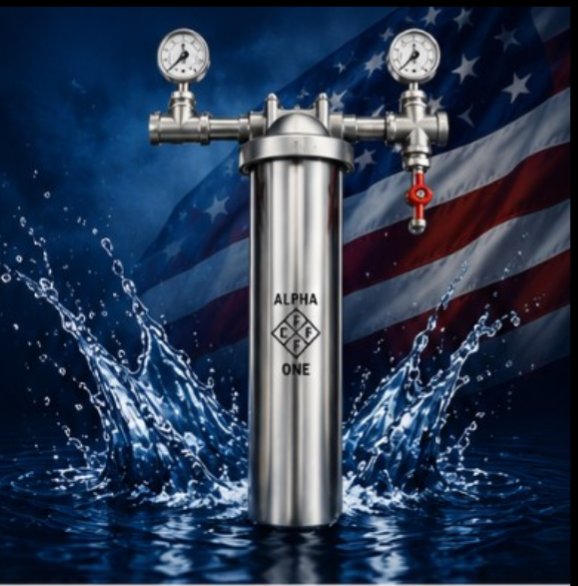
Custom Fabricated Filters LLC systems address this by offering configurations from single-stage to four-stage plus UV light, scaled for different household sizes and water conditions. This flexibility means you're investing in the right system for your actual needs, not overpaying for capability you don't use.
Testing Your Water Before You Invest
Water testing is the most important step before choosing any filtration system, and it is also where most buyers skip the details that determine whether an expensive system is worth it.
If you are on municipal water, start with the annual consumer confidence report (also called a water quality report) that your water utility must publish. It lists detected contaminants, their levels, and the regulatory limits they are compared against.
If you are on a private well, you have no utility report, so testing is essential. A basic well test typically covers bacteria (total coliform and E. coli), nitrate, and arsenic, plus iron and hardness if you notice staining or scale.
Match treatment to measured contaminants, not to marketing. A system that reduces sediment will not address bacteria; a carbon stage that improves taste will not remove nitrate. Ask for the system's performance data sheet and compare the listed reduction claims to your test results.
Verify independent certification before paying a premium. In the United States, NSF/ANSI standards are the common benchmark for water treatment products. Look for certification marks from an accredited third-party certifier and check the specific standard and contaminant list, not just the logo.
Watch Out Filtration does not make every water source safe. If your test shows bacteria or nitrate above safe levels, a filtration system alone may not be the right solution, consult your local health department or a qualified water treatment professional about the appropriate treatment method.
Many water treatment professionals offer free or low-cost testing. Custom Fabricated Filters LLC uses the C.L.E.A.R. Water Intelligence System to analyze your water and recommend the appropriate filtration configuration. This analysis ensures you are not over-engineering a solution or under-filtering a serious problem.
Testing costs range from minimal for basic screening to more comprehensive analysis. The investment in testing prevents buying the wrong system or overspending on unnecessary filtration stages. This is the lowest-cost insurance against making a poor decision.
Key Takeaway Test first, read the report or lab results, match treatment stages to measured contaminants, and verify third-party certification for those specific contaminants. Only then does the question of whether expensive filtration is worth it have a factual answer.
Frequently Asked Questions
Is expensive water filtration worth the investment compared to bottled water?
The answer depends on your household size, local water quality, and how much bottled water you currently buy. If your municipal water already meets your needs and you drink minimal bottled water, filtration may not offer financial returns, but it eliminates plastic waste and provides convenience. Testing your water first helps determine whether filtration addresses real contaminants in your supply.
How often does a whole-house water filter need replacement, and what does that cost?
Water filter replacement frequency depends on your water quality, household size, and filtration stages. Most systems require cartridge changes every 6-12 months for sediment and carbon stages, though this varies based on usage and contaminant load. Custom-engineered systems like those calibrated through the C.L.E.A.R. Water Intelligence System are designed with replaceable cartridge stages, so you maintain performance without replacing the entire unit. Contact the manufacturer for current pricing on replacement cartridges specific to your system configuration.
What water contaminants should I test for before buying a filtration system?
Before investing, have your water tested for sediment, chlorine, chloramines, taste and odor issues, and any contaminants specific to your region or well. If you use well water, testing for bacteria and pathogens is critical. Many municipalities provide free or low-cost water quality reports; well owners can order independent lab testing. Knowing exactly what you're removing helps you choose the right filtration stages, whether a single-stage system or a multi-stage whole-house setup, and ensures your investment addresses your actual water challenges.
Does a stainless steel water filtration system last longer than plastic alternatives?
Yes. Stainless steel systems resist cracking, pressure fatigue, and contamination far better than plastic housings, which degrade over time and can leach microplastics. A well-engineered stainless steel system built by master plumbers and designed as permanent infrastructure can serve your home or business for decades with proper maintenance. This durability means fewer replacements and greater long-term reliability, making the higher upfront investment more economical over the system's lifetime.
Alpha Ultimate Water Filtration System
Comments